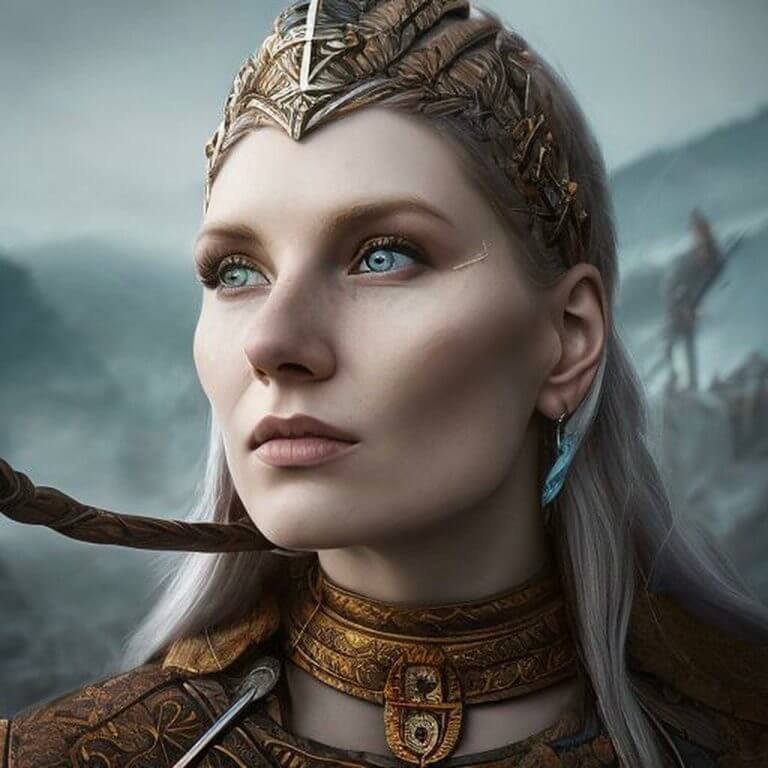
There’s a certain magic in seeing a beloved cartoon character leap off the screen or page and into our world, looking as if they could shake your hand. For years, this was the exclusive domain of animators, artists, and big-budget studios. Today, thanks to the remarkable advancements in artificial intelligence, anyone can now bring their favorite animated figures to startling, lifelike reality. This isn't just a parlor trick; it's a powerful creative tool. This definitive guide on How-To Guides: Transforming Cartoons into Realism with AI will show you exactly how to turn your stylized characters, anime avatars, or brand mascots into believable human portraits with stunning realism.
Whether you're looking to cast a live-action adaptation, create captivating social media content, or simply unleash your inner digital artist, mastering AI character transformation is a game-changer. Let's dive in.
At a Glance: Key Takeaways for Instant Character Realism
- AI Power-Up: Use specialized AI tools like Sinaï Studio or Nano Banana for image-to-image conversion.
- Keep Core Traits: The AI preserves essential features (face, expression, costume) while adding realistic textures and proportions.
- Craft Your Prompt: Your text prompt is critical. Be specific about age, skin tone, lighting, and camera details.
- Refine and Iterate: Don’t expect perfection on the first try. Adjust settings and prompts to fine-tune your results.
- Endless Possibilities: From marketing mock-ups to cosplay guides, the applications are vast.
Why Bring Cartoons to Life? The Power of Realistic Character Visualization
The ability to morph a two-dimensional character into a photorealistic human is more than just a novelty; it unlocks a wealth of creative and commercial possibilities. Imagine pitching a movie idea with realistic character visuals already in hand, or creating marketing material that features your mascot as a living, breathing person. This technology bridges the gap between imagination and tangible reality, offering a dynamic way to visualize concepts.
Consider the impact on storytelling: you can quickly test live-action adaptations of animated series, allowing you to gauge audience reactions or refine character designs for a different medium. Marketers can easily transform a cartoon mascot into a realistic human to envision how they might appear in an advertising campaign, creating viral social media content that grabs attention. For creative projects, think about developing comprehensive cosplay lookbooks, guiding casting directors with accurate facial structures, or even illustrating characters for graphic novels in strikingly realistic settings. The visual fidelity you can achieve can revolutionize how you develop, present, and interact with your animated creations.
The AI Artisans: Tools of the Trade for Digital Metamorphosis
To embark on this transformative journey, you’ll need the right tools. While the field of AI image generation is constantly evolving, a few standout applications have proven exceptionally effective for cartoon-to-realism conversions. These platforms utilize advanced image-to-image AI models, designed to interpret your character's unique style and features, then render them in a realistic human form.
Sinaï Studio: Mobile-First Precision
Sinaï Studio is a robust, mobile-first application (available on iOS and Android) that puts powerful AI image editing right in your pocket. It's particularly user-friendly, offering an intuitive "Image-to-Image Edit" button that kickstarts the transformation process.
What makes Sinaï Studio shine:
- Accessibility: Being mobile-first means you can create lifelike portraits on the go, anytime, anywhere.
- Generous Free Tier: You get 25 free edits per day, allowing ample experimentation without immediate commitment.
- Speed and Control: Fast previews help you iterate quickly, and its localized prompts give you granular control over aspects like skin texture, wardrobe details, lighting, and even specific camera language (e.g., "85mm portrait lens").
- Prompt-Level Finesse: This tool allows you to really dial in the specifics of your vision, ensuring the AI understands precisely what you’re aiming for in terms of realism and aesthetic.
Nano Banana: Character Interpretation & Speed
Nano Banana is another excellent AI tool known for its ability to interpret character features and style with remarkable accuracy. It’s designed to generate lifelike human versions quickly, making it a great option for rapid prototyping and ideation.
Why consider Nano Banana:
- Feature Preservation: It excels at maintaining core traits like the character's face, expression, and even costume details while applying a realistic human aesthetic.
- Customizable Realism: You can often adjust the level of realism, from semi-realistic to photorealistic, giving you creative flexibility.
- Speedy Generations: For projects requiring quick turnarounds or multiple iterations, Nano Banana delivers portraits in a flash.
Both tools represent the cutting edge of AI-driven creative expression, each offering a slightly different flavor for your artistic needs. Experimentation with both can reveal which one best aligns with your specific style and workflow.
Blueprint for Reality: Your Step-by-Step Workflow
Transforming a cartoon into a realistic portrait is a systematic process that combines careful preparation with iterative refinement. Follow these steps to guide your AI from stylized art to a stunning, believable human representation.
1. Prepare Your Source Image: Clean and Clear Input
The quality of your input image significantly impacts the output. Start with a clean, high-resolution cartoon image.
- Crop Tight: Focus on the character, specifically the head and shoulders, to minimize background distractions. The AI will primarily focus on what's within the frame.
- Clarity is Key: Ensure the character is well-defined, not blurry, and has good contrast. Avoid complex backgrounds if possible, or crop them out.
2. Gather Visual References: Inspire Your AI
Just like a traditional artist uses reference photos, so too should you. Collect a small gallery of real-life photos that match the desired vibe for your realistic portrait.
- Match the Mood: Look for lighting conditions (e.g., "golden hour," "moody studio light"), age ranges, and even desired ethnicities or expressions that you want the AI to emulate.
- Consistency: These references will inform your text prompts and help you achieve a cohesive look.
3. List Realism Cues: Pinpoint the Details
Before you even touch the AI tool, jot down the specific realism cues you want to see. This acts as your mental checklist and informs your prompt writing.
- Physical Traits: Note desired skin tone, eye color, hair texture (e.g., "wavy," "straight," "curly"), facial structure.
- Environmental Factors: Think about the camera angle, the overall mood (e.g., "serious," "playful"), and specific lighting.
4. Upload/Import Your Art: Getting Started
Once your source image is prepped, it's time to bring it into your chosen AI application.
- Sinaï Studio: Navigate to your gallery and select the image.
- Nano Banana: Use the dedicated upload button to import your cartoon art.
5. Initiate the Transformation: The Magic Button
This is where the AI takes over the initial heavy lifting.
- Sinaï Studio: Tap the prominent "Image-to-Image Edit" button.
- Nano Banana: Click the "Generate" or equivalent button after uploading.
6. Write a Realism-Focused Prompt: Guiding the AI's Hand
This is arguably the most critical step. Your prompt tells the AI what to create. Be descriptive, but concise.
- Describe Key Attributes: Include age, skin tone, specific expression, hairstyle, wardrobe details, lens choice, and lighting.
- Examples to inspire you:
- "Turn this cartoon detective into a realistic man, early 30s, olive skin, trimmed beard, navy trench coat, cinematic lighting, 85mm portrait lens, photo by Annie Leibovitz."
- "Transform this anime hero into a realistic human portrait while keeping the spiky hairstyle and costume intact, intense gaze, studio lighting, professional headshot."
- "Realistic portrait of a cheerful woman in her 20s, fair skin, long wavy red hair, wearing a casual denim jacket, soft natural light, shallow depth of field."
7. Adjust Settings (Sinaï Studio Specific): Fine-Tuning the Interpretation
Sinaï Studio offers a "style intensity" slider, a powerful control for balancing adherence to the original cartoon versus the degree of AI-driven reinterpretation.
- Lower Intensity: Use this if you want the AI to preserve more of the original cartoon's proportions and composition, merely "texturizing" it with realism.
- Higher Intensity: This allows the AI more freedom to reinterpret the character, potentially leading to bolder, more stylized realistic outputs. Experimentation is key here to find the sweet spot.
8. Generate and Refine: The Iterative Loop
The first output is rarely the final one. Review the generated image carefully.
- Analyze: Does it capture the essence? Are there any distortions? Is the realism convincing?
- Iterate: Refine your prompt based on what you see. Add or remove details. Adjust settings. Repeat until the portrait feels authentic and meets your vision. This iterative process is where true mastery emerges.
9. Save/Download: Your Masterpiece Awaits
Once you’re satisfied, save your new realistic portrait. It’s ready for your gallery, social media, or project files.
The Art of the Prompt: Guiding the AI's Vision
Think of your prompt as the director's notes for the AI. The more precise and descriptive you are, the closer the AI will come to your desired outcome. Here’s how to craft prompts that deliver exceptional results.
Lead with Lighting: Setting the Scene
Lighting is fundamental to realism and sets the entire mood of a portrait. Start your prompt by defining the lighting.
- Specifics Matter: Instead of "good lighting," specify "golden hour lighting," "studio softbox lighting," "backlit by neon cyberpunk city," or "dramatic chiaroscuro." This helps anchor the vibe and ensures believable skin tones and shadows.
Mind the Eyes: The Windows to the Soul
The eyes are often the most challenging part for AI and the first place a viewer looks for authenticity.
- Sharp Eye Detail: Include phrases like "sharp eye detail," "catchlight in both eyes," or "glowing eyes" to avoid flat or lifeless gazes.
- Symmetry and Color: If you notice issues, specifically mention "symmetrical irises" or "matching eye color" in your subsequent prompts.
Reference Real People: Grounding the Features
Help the AI understand the human aspect by providing clear references for physical traits.
- Ethnicity, Age, Complexion: Describe "Caucasian man, early 30s, fair complexion," or "East Asian woman, late 20s, subtle freckles." This grounds the features in reality.
- Avoid Stereotypes: Aim for descriptive attributes rather than overly generic or potentially biased terms.
Specify Key Features to Retain: Maintaining Likeness
If certain elements of the cartoon are crucial to its identity (like a unique hairstyle or a specific costume), tell the AI to prioritize them.
- Explicit Instructions: Use phrases like "keep original hairstyle," "retain the distinctive green cloak," or "same eye color as original." This is especially important for preserving character recognition.
Iterate in Short Loops: Nudge, Don't Overhaul
Instead of writing a completely new prompt for each adjustment, duplicate successful outputs and make small, incremental changes.
- Micro-Adjustments: Run another pass with clarifying language like "add subtle freckles to her cheeks," "make the hair slightly longer," or "soften her expression." This allows for precise, controlled refinement.
Mention Realism Level: Define Your Aesthetic
Not all realism is the same. Be clear about the degree of realism you're aiming for.
- Ranges: Specify "semi-realistic," "photorealistic," "hyperrealistic," or "stylized realism." This guides the AI in its textural and proportional choices.
Navigating the Niggles: Troubleshooting Common AI Hiccups
Even with the best prompts, AI can sometimes produce unexpected or less-than-perfect results. Knowing how to troubleshoot these common issues will save you time and frustration.
Face Drifts or Distortions
Sometimes the AI struggles to maintain the original face shape, leading to a distorted or unrecognizable human face.
- Solution: Lower the "style intensity" slider (if using Sinaï Studio) to give the AI less interpretive freedom. Crucially, add "preserve original face shape," "maintain character's facial structure," or "consistent facial proportions" to your prompt.
Plastic or Unnatural Skin Texture
A common complaint is that the generated skin looks overly smooth, shiny, or artificial, lacking the subtle imperfections that make human skin believable.
- Solution: Integrate descriptive terms into your prompt that emphasize natural skin. Try "natural pores," "subsurface scattering," "matte finish skin," "subtle skin imperfections," or "soft skin texture." You can also specify lighting that enhances realism, like "diffused natural light."
Noisy or Distracting Background
If your initial cartoon image had a busy background, or if the AI struggles to interpret it, you might end up with an unappealing or distracting backdrop in your realistic portrait.
- Solution: Add prompt elements that dictate a clean or simplified background. Use phrases such as "neutral background," "blurred bokeh," "studio grey background," "plain white backdrop," or "shallow depth of field to isolate subject." This helps keep the focus squarely on your transformed character.
Remember, AI is a tool, and like any tool, it takes practice to master. Don't be discouraged by initial imperfections; view them as opportunities to refine your prompting skills and achieve even better results.
The Human Touch: Beyond the Algorithm
While AI handles the heavy lifting of rendering, the true artistry in transforming cartoons into realism lies with you. Your eye for detail, your understanding of character, and your ability to articulate your vision through prompts are what elevate these AI-generated portraits from mere transformations to captivating works of art.
As you continue to experiment, you'll develop an intuitive sense for what works and what doesn't, learning to 'speak' the AI's language more fluently. The landscape of AI tools is constantly evolving, with new features and capabilities emerging regularly. Stay curious, keep experimenting, and don't be afraid to push the boundaries of what's possible. The power to bring your imagination to life is now literally at your fingertips.